


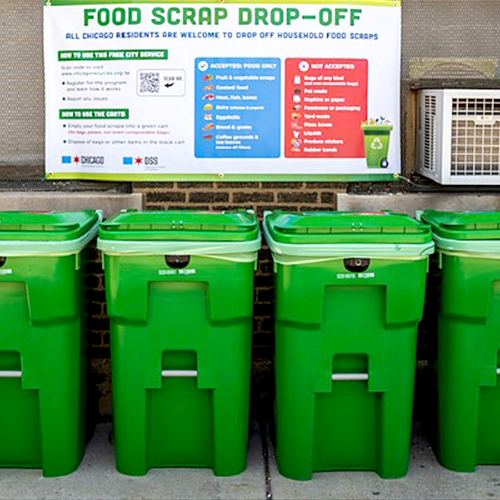
Chicago's landfills are overflowing, and the city is racing to keep up with the sustainability trend. A new municipal food scrap drop-off program started last year, sparking controversy. This initiative, crucial in the face of the waste crisis, has the potential to make a significant impact. Local composting companies, which have been leading the way for a sustainable future, feel caught off guard by the city's initiative.
Perched atop a mountain of refuse on Chicago's South Side, the city's waste crisis becomes starkly evident. While the smell may be tolerable, the need for action is undeniable. Illinois landfills are reaching capacity, and Chicago's disposal options are diminishing. In response to this crisis, the city has introduced a new composting program, offering residents 17 designated drop-off sites for food scraps. This initiative is a significant step for environmentally conscious Chicagoans. However, beneath the surface, tensions are simmering.
Several companies, such as WasteNot, Block Bins, and Urban Canopy, have been working to establish a comprehensive composting system in Chicago over the years. They faced challenges, such as collecting scraps with bikes and providing alleyway drop-off bins, while the city did not actively participate. Now, the city has launched a program without involving these companies, leaving them feeling neglected.
Liam Donnelly, founder of WasteNot, expressed disappointment, stating that they first learned about the city's program through a press release. Despite meeting with city officials, the local companies believe that their expertise was not utilized to foster collaboration in the city program.
The city took a different approach by partnering with the National Resources Defense Council and drawing inspiration from successful programs in Minneapolis. Chris Sauve, deputy commissioner of the Chicago Department of Streets and Sanitation, said, "We didn't want to reinvent the wheel."
While the city program offers a free option, some residents worry that convenience won't outweigh the lack of commitment that often comes with free services. On the other hand, private compost subscription services may provide the necessary nudge for a lasting lifestyle change.
Despite initial resistance, Chicago now offers a wider range of composting solutions than ever before. The city's program has experienced steady growth, collecting over 100 tons of compost in its first few months. While this progress is positive, the potential for collaboration with established composting businesses could be the key to long-term success. As Donnelly states, "Composting is the gateway to sustainability," and a unified Chicago composting scene could pave the way for a greener future for the Windy City.