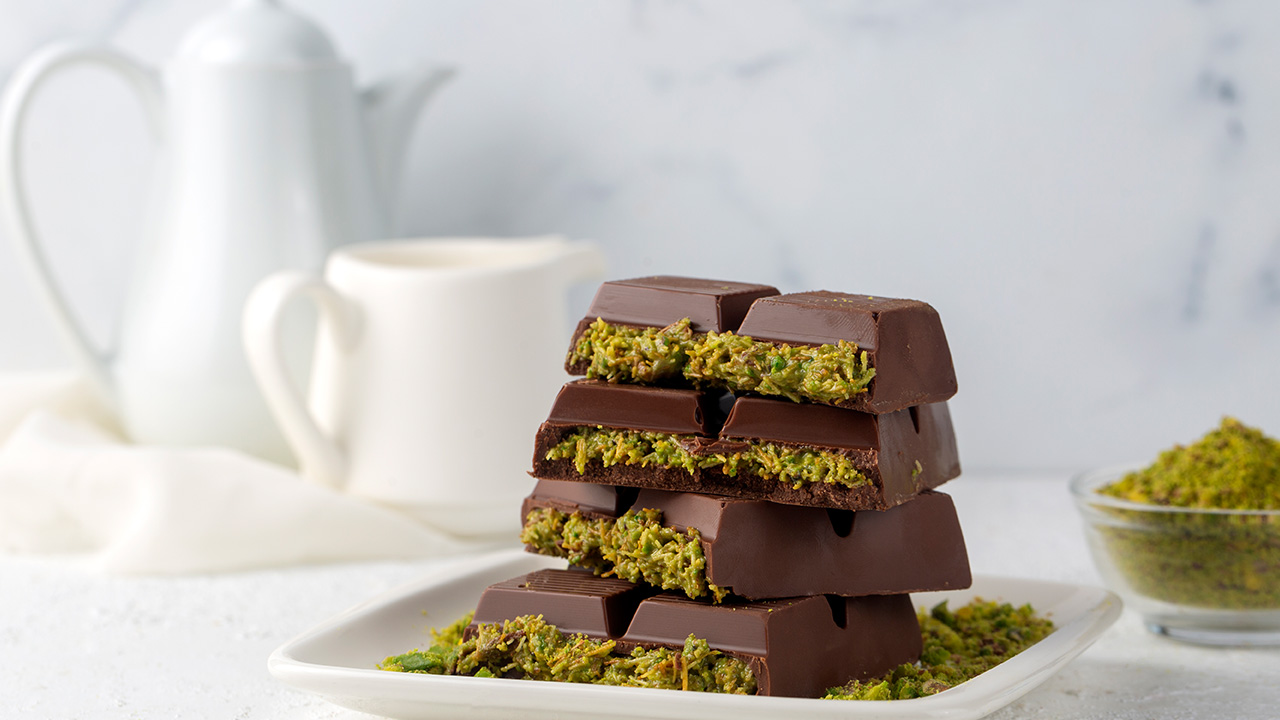
The origin of Dubai chocolate is a story rooted in modern luxury, not in centuries-old culinary traditions. Unlike Swiss or Belgian chocolate, which has a rich legacy tied to European craftsmanship, Dubai chocolate is a relatively new phenomenon. It emerged in the early 2000s when Dubai was undergoing rapid transformation into a global destination for luxury, tourism, and innovation. The rise of Dubai chocolate is closely tied to the city's image as a hub of extravagance and cultural fusion.
Dubai chocolate began appearing in upscale shops and airport boutiques as a premium souvenir. The goal was to bake something special that blended international chocolate-making techniques with the Middle Eastern signature ingredients. Brands like Al Nassma, Mirzam, and Forrey & Galland played pivotal roles in shaping the Dubai chocolate origin, giving it a recognizable identity in the world of gourmet sweets.
Dubai chocolate is not just a sweet treat, it's honestly a luxury experience. From its nice packaging to its flavor profile, Mmm, everything about it speaks to refinement and innovation. What makes this special is how it uses ingredients that are around in the Middle East. These are things like saffron, rosewater, cardamom, pistachios, and even edible gold.
Dubai Chocolate is also known for its creativity. You might find chocolate bars stuffed with dates, with baklava elements, or even dusted with crushed nuts. The attention to visual detail is a lot more than other chocolates I've had. The chocolates are often shaped like camels, wrapped in metallic paper, or served in ornate boxes that reflect the opulence of the city itself.
Because of its unique ingredients and presentation, Dubai chocolate is especially popular among tourists seeking a memorable gift. Its distinctiveness is a direct result of the Dubai chocolate origin story, which is defined by luxury, innovation, and cultural storytelling.
Dubai chocolate does not have a long or traditional history. Instead, its roots are deeply connected to Dubai’s rise as a cultural and economic powerhouse in the last 20 years. While European chocolates evolved through generations of craftsmanship, the Dubai chocolate origin is marked by rapid innovation and the blending of cultures.
What it lacks in historical depth, Dubai chocolate makes up for in creative expression. The brands that helped define it have pulled from traditional Middle Eastern flavors and married them with modern techniques. This really allowed Dubai Chocolate to carve out its own niche in a competitive global market. While it may not have a heritage spanning centuries, its origin reflects the same level of care and artistry found in older chocolate traditions.
Three major players helped establish Dubai Chocolate on the global map:
These three brands helped shape the Dubai chocolate origin and expanded its influence by combining high-quality ingredients with cultural authenticity.
Yes, camel milk is one of the most defining ingredients in the Dubai chocolate origin story. Al Nassma’s use of camel milk was revolutionary, offering a dairy alternative that is lower in lactose and rich in Vitamin C, iron, and healthy fats. Camel milk also has a more earthy and slightly salty flavor than cow’s milk, which gives the chocolate a distinctive taste.
Although not all Dubai chocolates use camel milk, its inclusion has become symbolic of the region. It speaks to the local environment and lifestyle while offering a health-focused edge. For tourists and chocolate lovers, you have to try camel milk when exploring Dubai chocolate.
The ingredients in Dubai chocolate are carefully chosen to reflect both local heritage and global trends. Some of the most common and iconic ingredients include:
These ingredients aren’t just add-ons. They are part of the Dubai chocolate origin and serve as a bridge between the city's cultural identity and its modern culinary ambition.
Dubai offers several iconic spots where you can try or buy high-quality local chocolate:
Exploring these locations helps visitors understand the full scope of the Dubai chocolate origin and how it has become a staple of the city’s culinary identity.
All signs point to yes. Dubai chocolate is gaining momentum both regionally and globally. Its success can be attributed to its premium positioning, cultural storytelling, and appeal to both tourists and locals. With the rise of global foodie culture and the popularity of Instagram-worthy treats, Dubai chocolate fits perfectly into the modern culinary landscape.
Brands like Mirzam continue to win awards, and Al Nassma has begun exporting to European and Asian markets. Meanwhile, influencers and food bloggers are helping to bring awareness to its distinct qualities. As more people become interested in culinary experiences that are culturally meaningful, the Dubai chocolate origin story will remain a compelling narrative.
At Just Eat Up, we explore modern food culture, uncover global trends, and bring local stories to life. If you’re fascinated by the Dubai chocolate origin or want to discover other unique culinary movements, check out our blogs where we go deeper into the ingredient list and even some recipes. From camel milk chocolates to gold-infused truffles, we cover it all with a cultural lens and a love for flavor.