


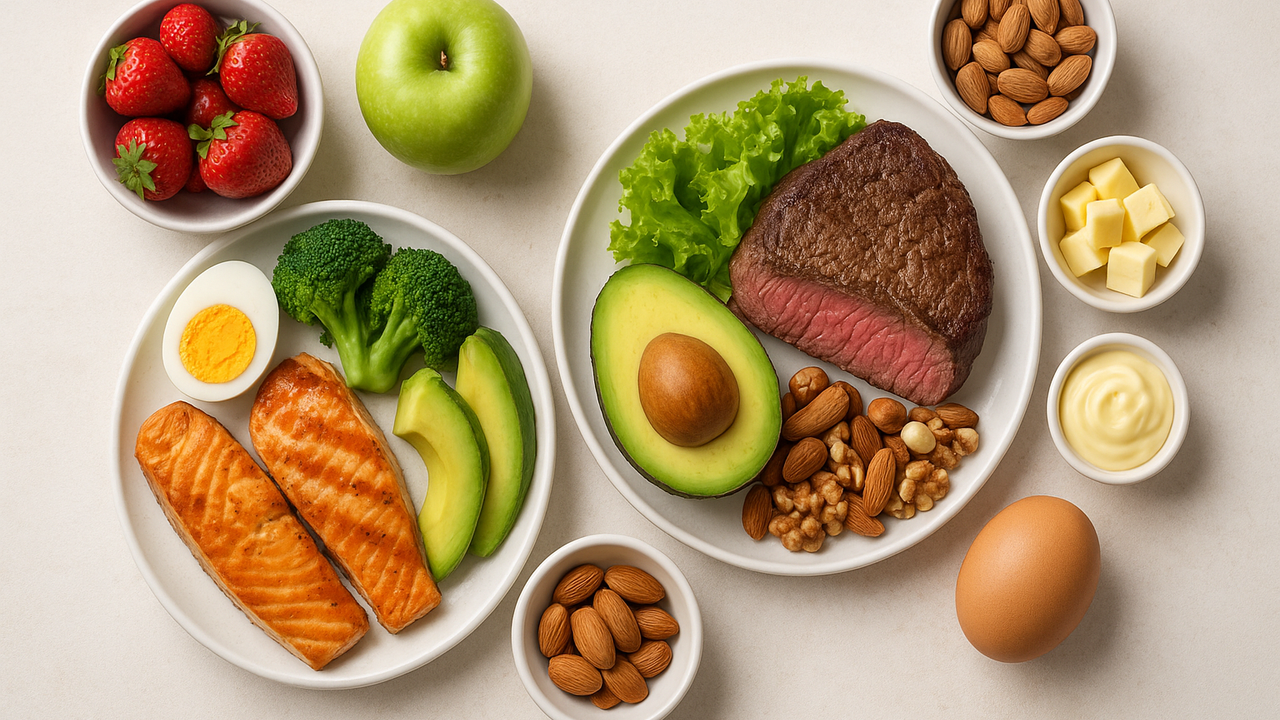
The difference between paleo and keto diet comes down to what drives the rules. Paleo focuses on whole foods inspired by what early humans are believed to have eaten, while keto is built around eating very low carbs to shift your body into ketosis.
If you’re trying to decide between them, it helps to compare the day-to-day food rules, what each diet limits, and how those choices can affect cravings and energy. Keep reading for a clear breakdown on our food blog, Just Eat Up.
The paleo diet is an eating approach that avoids many modern processed foods and leans on whole, minimally processed ingredients. Typical choices include meat, fish, eggs, vegetables, fruit, nuts, and seeds.
Many paleo followers also cut out grains, legumes, and dairy because these groups are commonly excluded from “ancestral-style” menus. Carbs still exist on paleo, but they usually come from fruit and starchy vegetables rather than bread, pasta, or rice, which makes paleo meals feel closer to regular cooking.
The keto diet aims to dramatically reduce carbohydrates and increase fats so your body can use ketones for energy. Most keto plans target a very low carb intake, often around 20 to 50 grams of net carbs per day, though it varies by person and method.
Keto usually emphasizes foods like olive oil, butter, avocado, full-fat cheese (if tolerated), and fatty cuts of meat, with moderate protein. Since carbs are the main limit, bread, rice, pasta, sugar, and many fruits are restricted. Many people notice an adjustment period early on, as energy levels can feel different while the body switches fuel sources.
The biggest difference between paleo and keto diet is the purpose behind the restrictions. Paleo removes foods based on whether they fit an ancestral eating framework, while keto restricts carbs to support ketosis. Two people can both eat “paleo-style” meals yet follow keto very differently because keto depends on hitting specific carb targets.
Paleo often includes fruit and starchy vegetables, while keto typically keeps those lower to prevent carbs from climbing too high. Keto also tends to feel more structured because it relies on net carbs and macro targets. When you look up what is difference between paleo and keto diet rules, the clearest contrast is carbs for keto versus food categories for paleo.
There’s overlap between the two diets, especially with eggs, meat, fish, and non-starchy vegetables. Both often use olive oil, nuts, and seeds, which is why the grocery lists can look similar at first glance.
The key differences show up with higher-carb foods. Paleo usually allows fruit and options like sweet potato, whereas keto often limits fruit and starchy vegetables to small portions, if included at all. Dairy can vary by approach: paleo commonly excludes dairy, while keto often includes full-fat dairy if it fits daily carb limits. If you want to compare what is difference between paleo and keto diet food rules quickly, check carbs first for keto, then check categories like grains and legumes for paleo.
Both paleo and keto can support weight loss because they tend to cut out processed foods, which often lowers total calorie intake. Keto can also influence hunger for many people, since high fat intake and ketosis may reduce cravings once the body adapts.
Paleo can help with weight loss too because it emphasizes protein, fiber-rich vegetables, and whole ingredients that keep meals satisfying. From what I’ve seen, the best results usually come from a plan someone can follow consistently, not from picking the most extreme version. If you struggle with hunger late in the day, keto may feel more manageable. If you prefer simple whole-food meals without tracking, paleo can be easier to stick with.
Long-term ease depends on lifestyle and how much structure you want around food. Keto can be tougher socially and with meal planning because it limits many common foods, including bread, rice, desserts, and many fruits. It often requires label reading and carb awareness.
Paleo can feel more flexible because you don’t usually need to track net carbs or test ketosis, but it can still be restrictive due to typical exclusions like grains and legumes. When people ask what is difference between paleo and keto diet for long-term adherence, they’re often weighing day-to-day friction. Keto asks you to manage numbers. Paleo asks you to manage categories. If measuring and tracking will stress you out, paleo may suit you better. If you like structure and predictable carb limits, keto can feel clearer.
Choose paleo if you want whole-food meals that reduce processed foods, rely on familiar cooking styles, and don’t require constant carb counting. Choose keto if your priority is managing carbohydrates tightly and you want to aim for ketosis, along with the appetite control many people report after the initial adjustment.
My go-to way to decide is to look at what you already enjoy eating and ask which plan feels realistic to repeat for months. Paleo tends to win for people who prefer “eat real foods” rules. Keto tends to win for people who enjoy a low-carb menu and are comfortable tracking. If you want more meal ideas and easy ways to build menus, head to Just Eat Up or explore our food blog.