


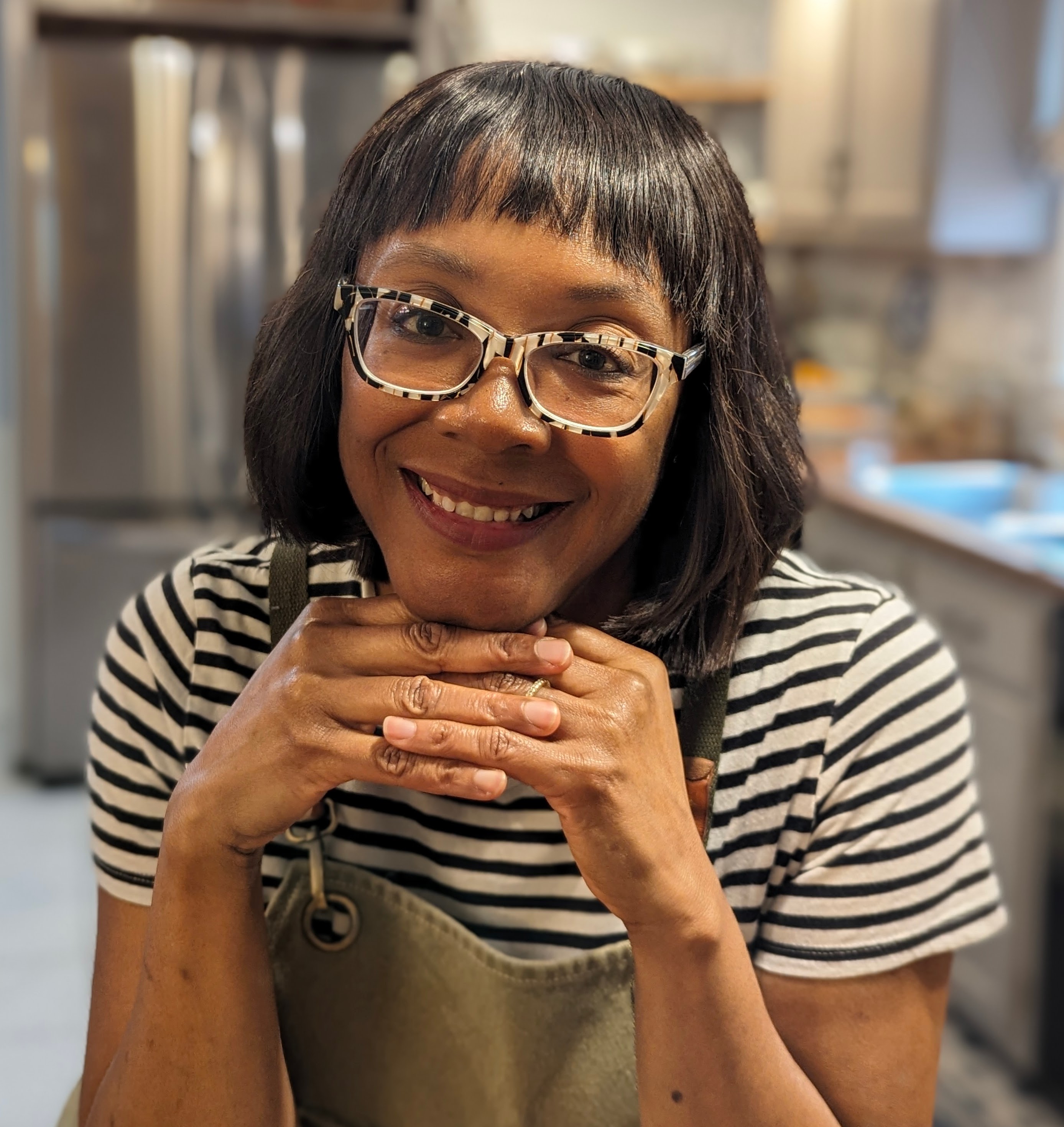
Marisa Baggett's culinary journey began in a small town in Mississippi. Her first plan was to design cakes for a living. That is until a loyal client requested an office dinner party, which changed everything. She's never seen sushi in real life, she accepted the challenge. 'I was in a small Mississippi town with no sushi bars and no way to do any practical research. But I did it anyway,' she explains. That one bold 'yes' led to a sushi adventure that included sushi school, running sushi bars, and even writing sushi cookbooks.
As her love for sushi deepened, so did her awareness of the environmental cost. "The ocean's call for help became too loud to ignore," Marisa admits. In March 2024, she made a life-altering decision: to commit to making sushi without seafood in an effort to promote sustainability. "The best way to promote seafood sustainability was to commit to making sushi without the seafood."
You can find more information about Marisa and her services on her website. Follow her on Instagram here. Now it's time to dive into Marisa's story!
Marisa's passion for plant-based sushi didn't happen overnight, though. Her transition from traditional sushi chef to vegan food advocate was sparked by an unexpected turning point in her life. "A few years ago, I hit a wall—burned out, uninspired, and dealing with some health issues that forced me to slow down," she shares. After 20-plus years in the industry, she made a dramatic exit, quite literally hanging up her sushi knives in a shadow box on the kitchen wall.
But as fate would have it, Marisa wasn't done with sushi just yet. "An unexpected opportunity popped up—a once-in-a-lifetime gig," she recalls. The gig was not plant based and she really felt a certain way afterwards. This shifted her focus from seafood to plant-based alternatives. "I knew I'd never go back to making seafood sushi. Instead, I found my new passion: showing the world just how exciting and delicious plant-based sushi can be."
Today, Marisa is channeling her years of expertise into inspiring others. Her long-term goal? "I'm currently working on a plant-based sushi masterclass to teach home cooks how to create plant-based sushi so incredible they won't even miss the seafood," she says. And she's dreaming big, with plans to develop a line of plant-based Japanese fusion seasonings to bring bold flavors to kitchens everywhere. "It's all about making plant-based cooking fun and delicious!"
When it comes to her favorite dishes, Marisa's love for Japanese cuisine shines through. "Sushi is life!" she states. But she's also a fan of Middle Eastern cuisine, with its vibrant spices and bold flavors. And let's not forget her love for cake."If I could somehow combine sushi and cake, that would be the dream!"
As for her current culinary obsessions, Marisa has a few staples. "Right now, I'm obsessed with making bento box lunches—I bring them everywhere! There's just something so satisfying about putting together all the little components." Her other favorites include baba ganoush, gremolata ("I'm a parsley FANATIC"), savory breakfast oatmeal, and her signature microwave mug cakes. "I love cake way too much to trust myself with a whole one," she says with a smile.
Marisa Baggett's journey from sushi chef to plant-based innovator is an inspiring story of passion, creativity, and sustainability. Through her dedication to plant-based cuisine, she's proving that sushi can be just as exciting without seafood.
Once, on a trip to the farmers market, I acquired a LOT of collard greens. The Southern girl in me loves stewed collard greens, but I knew I needed to find additional ways to enjoy the bounty. I wondered what would happen if I substituted them for the typical cabbage in my gyoza. The result was magic and I’ve been making them with collard greens since then.

If this recipe yields more dumplings than you can eat in one sitting, stick them in the freezer. Fully cooked gyoza freeze well and can be microwaved straight from the freezer for an anytime snack.
Makes about 30 gyoza