


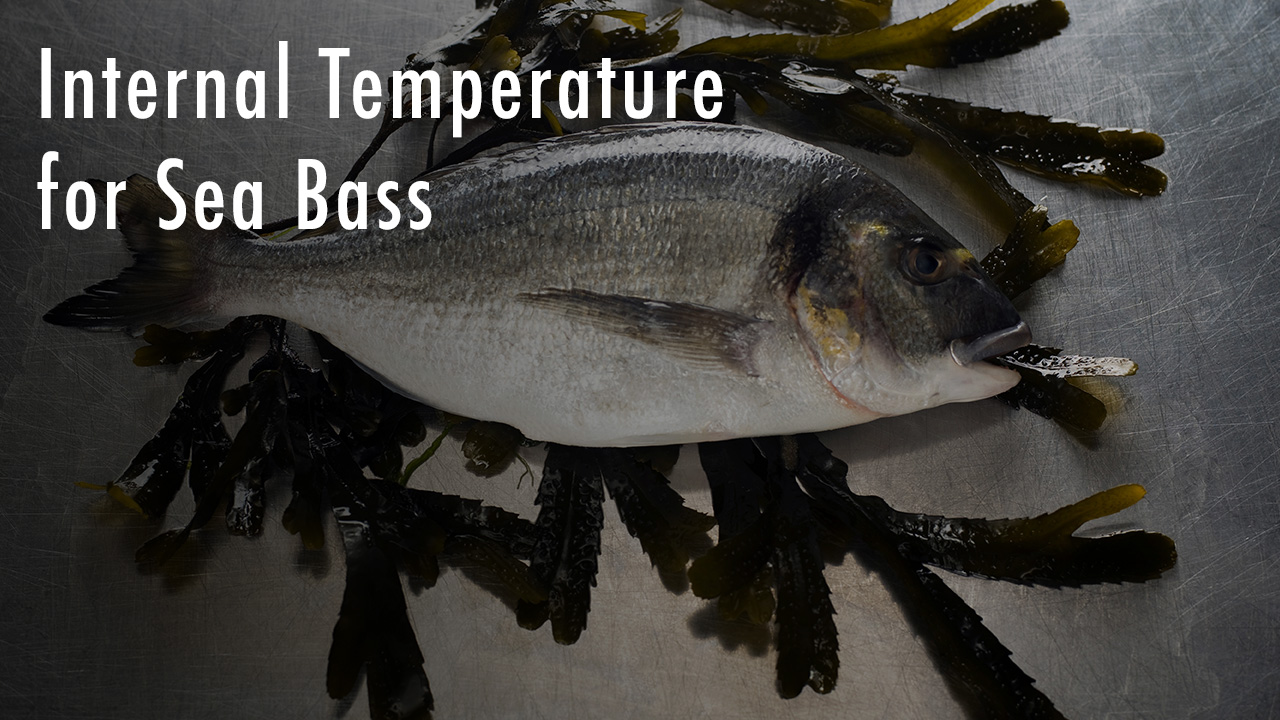
The recommended internal temp for sea bass is 135°F to 145°F, depending on how you like it. Most chefs and food safety sources suggest pulling it from heat right around 135°F, then letting it rest for a couple minutes to finish cooking gently. That gives you moist, tender, flaky sea bass without drying it out.
Whether you're working with Chilean sea bass or a more local variety, cooking by internal temperature instead of guessing by time or texture is the best way to get it perfect every time.
Sea bass has a delicate texture and high-fat content (especially Chilean sea bass). That’s great news for flavor, but it also means it can overcook fast. One or two minutes too long, and you’re looking at dry, tough fish.
The internal temp for sea bass gives you precision. Instead of poking it with a fork or hoping the timer is right, using a digital thermometer tells you exactly when it’s ready. You avoid undercooking (which can be unsafe) and overcooking (which ruins a pricey cut of fish).
So, what’s the right internal temp for sea bass?
The USDA recommends 145°F for safety, and if you're serving someone with dietary concerns, that's the temp to hit.But for flavor and texture, a lot of home cooks and chefs prefer pulling it off a little earlier and letting carryover heat do the rest.
If you’re cooking sea bass fillets, insert your thermometer into the thickest part of the fillet, right in the center. If you're roasting or pan-searing, check as soon as you suspect it's close to done — fish goes from perfect to dry in under a minute.
Here are a few tips for better results:
Always rest the fish for a couple of minutes after cooking. It helps redistribute the moisture and lets the internal temp for sea bass settle exactly where you want it.
Cooking method matters, too. Some methods require pulling sea bass earlier to avoid overshooting the temp.
Each of these benefits from paying attention to the internal temp for sea bass — especially for high-heat methods where things can change fast.
Cooking sea bass is all about balance — high-quality fish doesn’t need much fuss, just a little precision. That’s whyknowing the right internal temp for sea bass is so important.
Pull it at 135°F for juicy, buttery texture. Go up to 145°F if you prefer a firmer bite or need to meet USDA guidelines. Either way, don’t rely on time or color alone. Use a thermometer, rest it properly, and you’ll get consistent results every time.
Whether you’re pan-searing for a weeknight dinner or roasting a whole fillet for a dinner party, the internal temp for sea bass is your best friend in the kitchen. It takes the guesswork out of it and makes sure you don’t waste a beautiful cut of fish.