


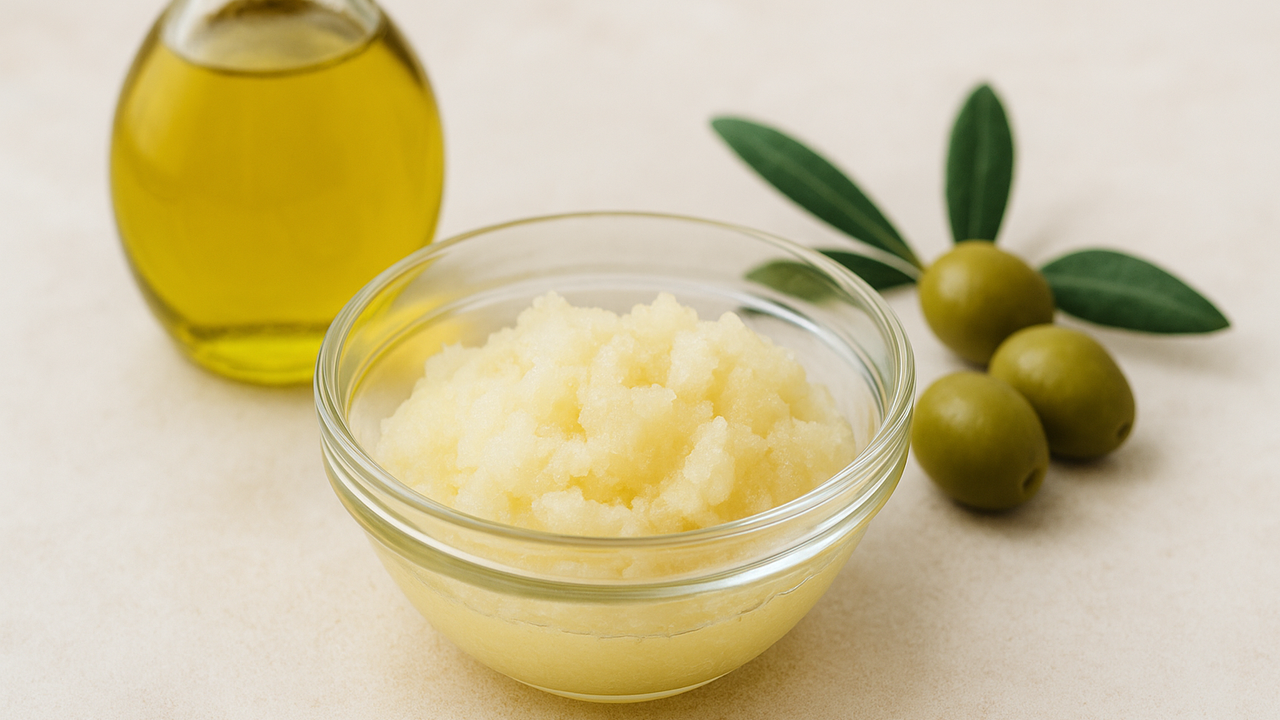
At what temperature does olive oil solidify? The answer is that it begins to solidify in the mid 40s Fahrenheit, when natural wax particles precipitate and cloud the oil. As temperatures dip toward the 30s, the texture thickens toward a soft butter, and in a typical fridge around 37°F it will firm up. I find that checking texture first helps me gauge how the oil was made and how it will perform in recipes.
For more clear explanations about oil behavior and kitchen tips, Just Eat Up.
Crystallization happens when the waxy and fatty parts drop into a lattice as temperatures fall; at what temperature does olive oil solidify begins here. The precipitation usually starts around the mid 40s, which is also when the oil first looks cloudy. Practically, the mid 40s is a common reference across many olive oils.
Different olive oils vary in composition based on variety, harvest, and processing, so you may notice slight differences in cloudiness or thickness. The core idea remains: cold triggers crystallization, and a bit of haze is normal rather than a sign of spoilage.
Does All Olive Oil Solidify in the Fridge?
Yes, all olive oil will solidify if you push the temperature low enough. A standard fridge set around 37°F is enough to start clouding.
Some blends or lighter varieties may resist fully, but this does not indicate poor quality. The fridge test is not a reliable marker for authenticity; quality comes from the source, harvest, and transparency of the brand. That question—at what temperature does olive oil solidify—often gets misused as a test of quality.
To map the behavior, consider the temperature spectrum. At about 50°F and above olive oil stays liquid and pours easily. Between 45-50°F it clouds as crystalline waxes form. At 35-40°F it firms up to a soft butterlike texture, and below freezing it becomes solid. When you bring it back to room temperature, it loosens again without damage, though the pause can delay last minute cooking.
Keep olive oil in a cool, stable spot away from direct heat and sunlight to minimize repeated solidification cycles. This stability helps preserve aroma and flavor so you get the intended character when you open the bottle.
Does Solidifying Affect Olive Oil Quality?
Solidification is a physical change, not spoilage. The oil's aroma and flavor stay intact, and its nutrition remains similar as long as it hasn't aged or been exposed to heat and light.
Knowing at what temperature does olive oil solidify can influence how you store oil and whether you chill it for tasting. If you’re curious again about at what temperature does olive oil solidify, keep in mind it's a temperature-driven crystallization that doesn't affect safety.
To fix a solidified bottle, place it in warm water or run it under lukewarm water until it returns to liquid. Do not apply direct heat to the bottle, and avoid plastic containers in hot water; glass helps preserve the bottle and reduces distortion. To prevent future solidification, store olive oil in a cool, dry place, ideally in a pantry away from the fridge and heat sources. If you won't use a bottle quickly, you can freeze portions of olive oil in an ice cube tray for ready-to-use amounts. Understanding at what temperature does olive oil solidify helps you plan storage and cooking, and for more practical tips, head to Just Eat Up.